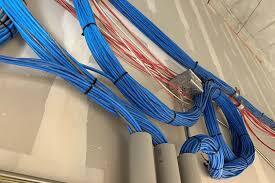
In today’s fast-paced business environment, maintaining smooth operations is critical to success. Electrical systems—ranging from communication networks to security and lighting—are fundamental to any business’s functionality. Yet, many businesses overlook the importance of proper electrical planning when setting up or upgrading their facilities, which can lead to operational hiccups, increased costs, and inefficiencies.
Whether it’s for an office building, a retail store, or a residential space, having a low voltage contractor handle your electrical planning ensures that your systems are set up to work efficiently, meet specific business needs, and avoid future problems. From designing secure data networks to integrating advanced building automation, skilled electrical planning is the key to smooth operations.
Why Proper Electrical Planning Is Essential
Proper electrical planning goes beyond simply powering up a building. It involves designing systems that can handle the growing demands of modern technology, provide consistent performance, and scale with future needs. Poor planning or hasty installations can lead to disruptions in services, increased maintenance costs, and even safety hazards.
Here’s why electrical planning should be taken seriously:
- Efficiency: Well-planned electrical systems operate more efficiently, saving energy and reducing utility costs.
- Security: Proper wiring ensures that security and communication systems are reliable and functional at all times.
- Scalability: Good planning accounts for future growth, so businesses don’t need costly overhauls as they expand.
- Safety: Correct installation helps prevent hazards like electrical surges, overheating, or fire risks.
Choosing a low voltage contractor with expertise in planning and installing electrical systems ensures that all these aspects are taken into account, reducing the likelihood of operational hiccups.
How Low Voltage Contractors Help with Proper Electrical Planning
1. Customized Solutions for Specific Needs
Each business has its unique electrical needs. For example, a data center requires extensive network wiring and power backup systems, while a retail store might need energy-efficient lighting and security systems. A low voltage contractor designs customized electrical solutions tailored to the specific operations of the business, ensuring systems are optimized for their intended purpose.
With their specialized knowledge, low voltage contractors:
- Plan data cabling and communication systems that ensure seamless internal and external communication.
- Install security systems like surveillance cameras, alarms, and access control systems, all with minimal disruption to daily operations.
- Design energy-efficient systems that reduce electricity consumption while maintaining comfort and performance.
2. Reducing the Risk of Operational Disruptions
Without proper electrical planning, businesses often encounter unforeseen disruptions—power failures, outages, or system inefficiencies—that can halt operations for hours or days. A low voltage contractor anticipates these issues and designs systems that prevent these types of problems.
For example, by installing uninterruptible power supplies (UPS) or backup generators, businesses can ensure that critical systems, like security cameras or communication networks, remain operational even in the event of a power failure.
By planning with the end goal in mind, contractors ensure systems work in harmony and prevent potential disruptions.
3. Optimizing Energy Efficiency
In the modern business world, energy costs can significantly impact a company’s bottom line. Without careful electrical planning, businesses risk overpaying for electricity due to inefficient systems. A low voltage contractor helps optimize energy usage by designing smart lighting systems, motion sensors, and energy-efficient heating and cooling systems.
These solutions help businesses:
- Reduce electricity waste by only using energy when needed.
- Lower operating costs by using energy-efficient systems.
- Contribute to environmental sustainability by reducing their carbon footprint.
For example, LED lighting systems installed with motion sensors ensure that lights are only on when necessary, reducing unnecessary energy consumption.
4. Ensuring Future-Proof Systems
Technology moves fast, and businesses must ensure that their electrical systems can handle future demands. Low voltage contractors take a forward-thinking approach to electrical planning, ensuring systems can be easily upgraded as the company grows.
This involves:
- Installing fiber optic cabling to handle higher data speeds in the future.
- Designing smart building systems that integrate new technologies as they become available.
- Planning scalable networks that can accommodate increased bandwidth requirements as businesses expand.
By anticipating future needs, a low voltage contractor ensures that businesses don’t face the costly burden of overhauling electrical systems to keep up with technological advancements.
5. Ensuring Compliance and Safety
Electrical systems need to adhere to specific building codes and safety regulations to prevent hazards. A low voltage contractor ensures that all installations are compliant with these codes, reducing the risk of electrical failures, fires, or accidents. Proper electrical planning also includes checking for potential hazards, like overheating equipment, electrical surges, or faulty wiring, and addressing these concerns during the design phase.
A professional low voltage contractor will:
- Install circuit breakers and safety switches to prevent overloads.
- Ensure proper grounding to minimize electrical hazards.
- Design and install safety systems like smoke detectors and emergency lighting that are in line with regulatory standards.
These preventative measures help businesses avoid operational disruptions, costly repairs, and safety risks.
Conclusion
Proper electrical planning is an essential part of ensuring that business operations run smoothly. By partnering with a low voltage contractor, businesses can design electrical systems that maximize efficiency, prevent disruptions, optimize energy use, and ensure safety and compliance.
Through customized solutions, future-proofing, and a focus on energy savings and operational continuity, skilled contractors provide businesses with the infrastructure they need to thrive without the risk of unforeseen operational hiccups.
Investing in proper electrical planning and working with a knowledgeable low voltage contractor is not just about having functional electrical systems—it’s about building a foundation that supports growth, enhances productivity, and ensures long-term success.